The Bond Over The Years

The Bond Over The Years

THE BOND OVER THE YEARS

The first year I had my periods, it was on the day of Holi and boy! how I ran around and enjoyed the day. It was spooky to see blood in my underpants that morning and thought that I must have bruised myself down there, lol. Then arrived the scary part, the second time I had it; painful and morbid. It followed with all the recipes, tips, exercises and what not to escape the life-wrenching cramps. The dread wasn’t limited just to the painful first days, but the ambit was it being a hurdle to my peace of mind and feeling dry down there. Cramps are believed to be either genetical or a result of the lifestyle we follow. In my case, it turned out to be both. My disastrous lifestyle of sleeping in late, avoiding breakfast and not having any of my meals on time. The hot-water bag, black sesame and jaggery ladoos, ayurvedic medicines and the list goes on were an absolute disappointment to my uterus. The 18-year-old me had accepted the fate of going through this nightmare of the period ritual until I have a child and discard my uterus like an ungrateful being. But the idea of procreating of another human just for this seems a little too absurd. Also, removing uterus fastens the process of aging, they say.

Photo courtsey: Google Images

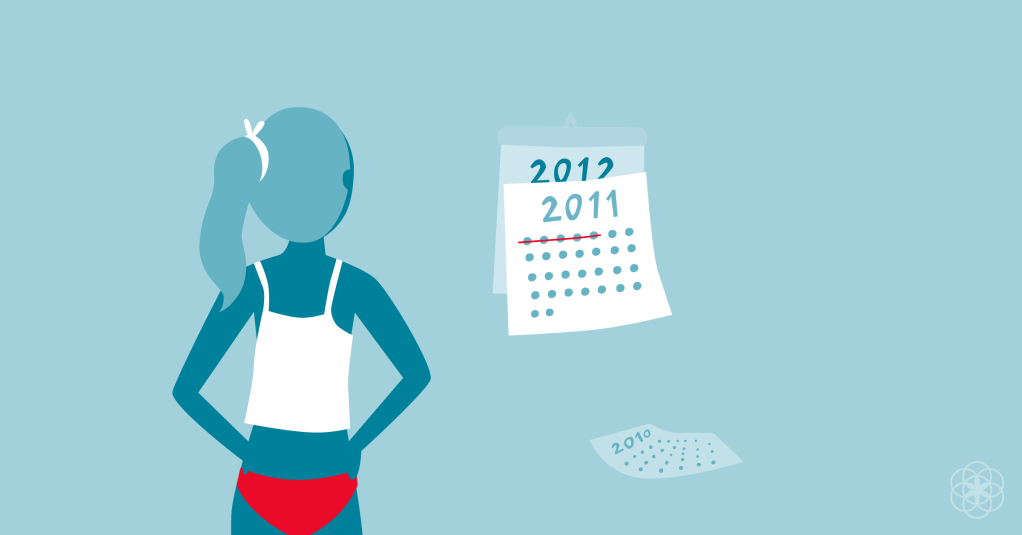
The battle came to a halt when I joined my college hostel in under graduation. The meal timings were fixed in the mess and the meals were too tasty to miss or to be late to the mess. Never in my life I would have woken up and had breakfast around 8a.m every morning and finish my supper by 8:30p.m. Chennai had annoying climatic conditions, so I got in the habit of an evening coconut drinking water routine. The first time I had my period in the college, it was painless. I had an epiphany about painless periods; it was eating food on time. I couldn’t believe it either, but every time I had messed with my meal timings, I have suffered on the first days. So, fiddling with your body’s clock whether it comes to sleeping on time or eating on time does affect the hormones in your body. This might seem to be a difficult aim to achieve but it makes life and your periods so much easier. Also, eating food on time doesn’t have limited benefits as we all know. Not everything requires the knowledge of rocket science to find a solution.
Picture Coutesy : Helloclue.com
Menstrual disorders

Menstrual disorders

Vini Sharma

Menstruation differs from person to person and everyone experiences different periods over their course of life. This is often healthy and normal but when it starts to interfere with the day to day activities, then is the time when medical attention is needed. But due to lack of attention and proper education many girls suffer for years considering it as normal. Red badge of courage is here to educate you all about all the disorders related to menstruation.

One common menstruation-related complaint is dysmenorrhea, also known as menstrual cramps or painful periods. It is often present as a pelvic, abdominal or back pain. In some cases, this pain can be debilitating. Various studies have been conducted and it has been concluded that dysmenorrhea is a major gynaecological issue among people around the world, which impacts the efficiency of an individual and also diminishes the quality of life.

Menstrual irregularities also indicate some serious disorders. For example, some women and girls may experience abnormally heavy or prolonged bleeding, called menorrhagia, which could signal a hormonal imbalance or other concerns.

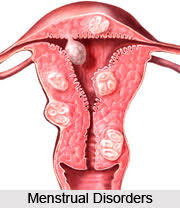
Excruciating pain or excessive bleeding during menstruation can also indicate reproductive problems such as endometriosis (when the uterine lining grows outside of the uterus) or fibroids (lumpy growths in the uterus).

Irregular, infrequent or prolonged periods can indicate disorders such as polycystic ovary syndrome which is very common these days. Extremely heavy periods can also increase the risk of iron-deficiency anaemia, which can cause extreme fatigue, weakness and dizziness. Prolonged deficiency of iron can later cause complication in pregnancy.

The hormonal changes which are related to menstrual cycle can also cause discomfort and mood swings including head aches, back aches, anxiety and depression which are often termed as Pre Menstrual Syndrome( PMS) but when severe or disabling they are sometimes consideredpremenstrual dysphoric disorder.

It is necessary to educate girls regarding these problems and conditions so that the next time when they experience it, they must know is it something to worry about or not. So many girls go through these disorders without even knowing and consulting anyone which is so harmful to their well being. Girls should be well taught and prepared in order to face these conditions and which can only happen through proper menstrual education.

Track your Menstrual Cycle

Track your Menstrual Cycle

Veera Jain

Image Courtesy: Pinterest

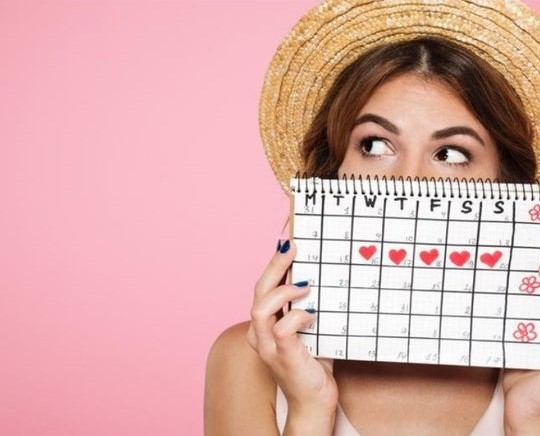
Remembering period dates is not something, most women usually keep track of. Gone are the days when ladies used to mark their date on calendars and plan the month accordingly. The digital era that we are living in has introduced a solution to every minute problem. Can’t remember birthdays, mark it on mobile calendar, Have a problem remembering conference time, schedule your phone to remind you and now it’s been a while that if you can’t remember your period date, an application will do it for you. It will track your whole menstrual cycle with the flow tracker, PMS issues and everything else. And the good news is, there are options as there is more than one app available.

Here’s a list of Apps which may help you in different ways-

CLUE

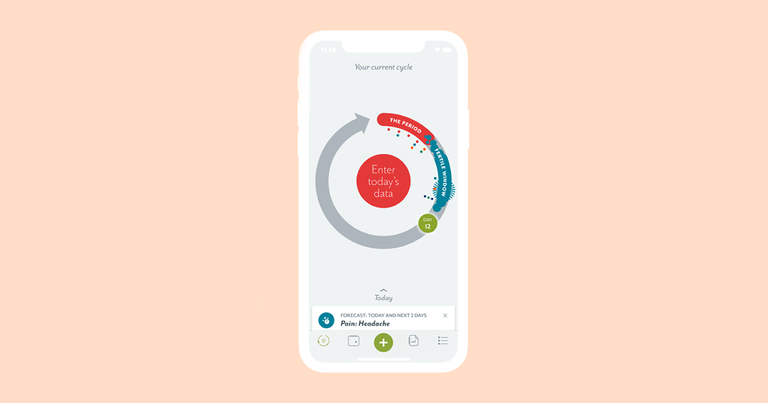
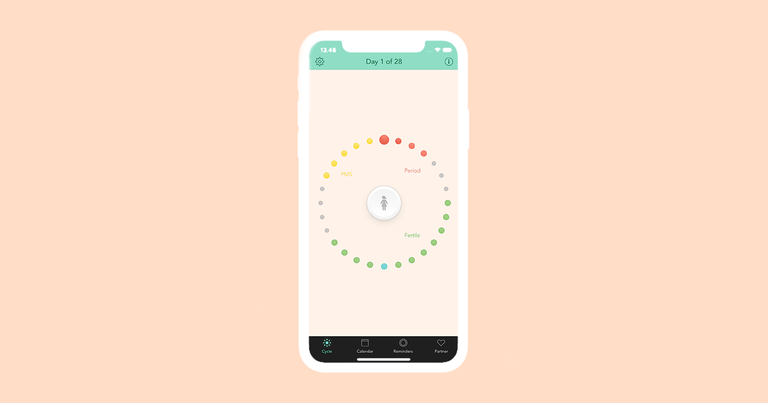
Clue is more than a period tracker. It has an accurate menstrual calendar, ovulation app and fertility tracker which helps in understanding menstrual cycle. You can log in your period flow, menstrual products used, sex, pain, moods, cervical fluid, and PMS symptoms.

Basically, this app is the best friend whom you can fill up in all the details without a worry.

It’s available on android as well as iOS.

Eve Tracker App

This app has many features like a daily “Cyclescope”—a horoscope-like forecast based on where you are in your cycle—as well as daily sex quizzes and a community of Eve’ers to commiserate with about things like nasty cramps and learn about fascinating facts and women’s health topics. You can also review your past periods through this app.

This app is available on android as well as iOS.

Period Diary

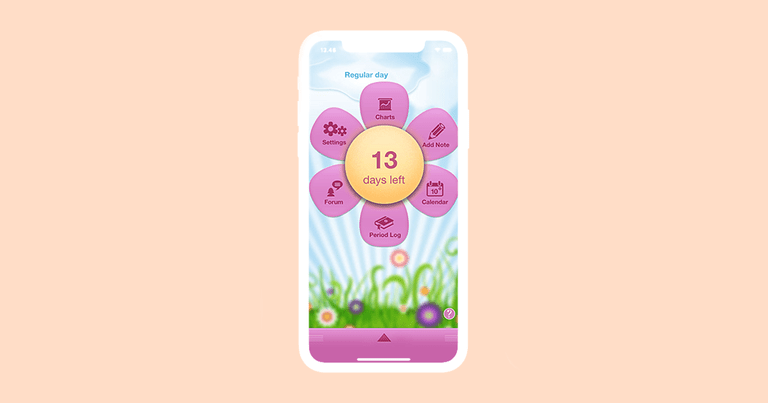
This application has more than 30 PMS symptoms and 20 moods available to track and syncs with your phone’s calendar so you can see all your period information in one place. And if you don’t want others to know you’re one of the billions of people in the world who menstruate, the application is password-protected, and the icon is labeled P.D. instead of Period Diary. Track your period and keep it a secret with this app.

This app is available on android as well as iOS.

Ovia Fertility: Ovulation and Cycle Tracker

This app uses its estimation of cycle to give a daily “fertility score,” or how likely you are to get pregnant that day. You can also track your nutrition information, export info to Excel, and customize the app’s backgrounds and colors. If you’re not trying to conceive, you can still use it to keep tabs on your flow. This application helps in period tracking, while there are other apps available by Ovia by the names of- Ovulation and cycle tracker, Baby due date Countdown, Baby tracker and so on. Ovia apps aim to help you with all the situations- starting from menstruation to breastfeeding a baby.

 This app is available on android as well as iOS.

Cycles

Images Courtesy: cosmopolitan.com

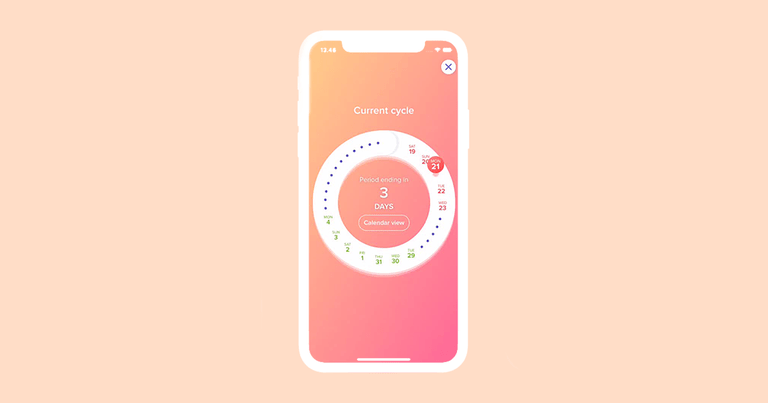
This cute tracker app is designed to be shared with your partner so they can provide more ~emotional support~ during PMS days. Because who doesn’t need support, care, love and attention during PMS, right?

This app is only available on iOS.

These are few good apps which might help your during your menstruation in tracking cycle and mood.

Bloody Glorious Art

Bloody Glorious Art

Meghna Mathew

Not many people are able to say the word “vagina” without a shred of underconfidence, shame or humour. Better yet, there are people who like to ignore the idea of what comes through the vagina entirely, because vaginas seem to be meant for a singular different reason altogether. 

While it is a well-established scientific fact that menstruation is a completely normal and necessary biological process in women, people still can’t wrap their head around the existence of menstrual blood and that it is a sign of good health. In such cases, as in others where people are afraid of facing something that poses no threat, some take to art to express it in a manner that conveys its normalcy and beauty. Menstrual art is just that.

In 1971, the world saw what was closest to menstrual art- Judy Chicago’s Red Flag. It is a visual of a woman pulling a bloody tampon out. It worked as something to demystify what people saw as humiliating and traumatising. Vanessa Tiegs in 2000 popularised the term Menstrala through her art and aimed for it to be “universal, just like our cycles.” Today, we see different interpretations of period art. Some choose to use their own menstrual blood to create paintings while others convey the menstrual cycles through creative illustrations. Both are equally important in today’s narrative, but the one with the blood makes the statement. It asserts that menstrual blood is normal. Blood of a man is seen as brave, maybe even a thing of honour but if it’s a woman who suffered in pain while her insides tore apart, it’s a taboo. 

Red Flag, Judy Chicago

There seem to be only two extremes when it comes to this; menstrual art is probably radical at best and disgusting at worse. What some fail to understand here is that it is a form of protest. Protest against misogyny, patriarchy, stereotypes and hate. Does the blood from only violent protests take priority? Women aren’t going anywhere so what’s the point in ignoring something that women can’t live without? The whole point of menstrual blood is to beautify something that’s looked down upon. While there should be no need for it in the first place, women have taken it upon themselves to rightfully sensitise the world to it. Blood on paper, on cloth, on glass and on many more surfaces spread in a manner nothing short of graceful. 

Whatever, Sarah Levy

Menstrual art is all things some men perceive women as- attention-seeking, in need of the limelight and out there, and that’s okay. Art as a form of expression is appreciated in all shapes and forms until it comes to the point where women want to make a point. It is beautiful, strong, brave and encouraging- much like things some men would never perceive women as. 

Chhaupadi: Alienating Women

Chhaupadi: Alienating Women

Shreya Singhal

Photo
A woman outside chhau
Source: savethechildren.net

In yet another instance of regressive practices born out of superstition and discrimination, menstruation in far-west parts of Nepal is considered taboo. It takes hush-hush to an entirely new level where menstruating individuals are barred from their own home sand made to stay in sheds outside, with cattle and other animals. This Hindu practice is called chhaupadiand is rooted in ideas of religion. The idea is to not offend the deities with period blood, which is considered impure. Consequently, the carrier of that period blood is considered impure too and shunned from the society. 

The menstruating individual, specifically the woman, is not allowed to enter the kitchen, touch food or anything religious or that which is considered sacred. She is not allowed to touch even the man, who is apparently the superior gender having undergone the sacred ritual of “Bratabandha”and cannot be compromised by the bleeding woman’s impurity. 

The practice is not a standalone one and is steeped in a system of deep misogyny. The Nepalese festival of Rishi Panchamiis meant for women to purify themselves by water, fasting and prayer in order to purge themselves of the sin and impurity of menstruation. Menstruation is seen as a purgatorial practice that women need to go through to atone for being the inferior gender.

The tragedy of the practice lies in the paucity of basic rights in the chhaupadi shed or chhau. Women do not have access to basic human requirements in the shed, which is unhygienic, unequipped and even unfavorable for human dwelling. Women have died in these sheds due to hygiene abuse, lack of food water and basic care. 

These sheds have come under the scrutiny of human rights organizations, which condemn such sub-human treatment of individuals. Even though the government has banned the use of these sheds in 2017, the practice continues to exist. A legal ban is not enough to address the deeply rooted stigma that surrounds the concept of menstruation. Menstruation needs to be seen for the natural process that it is and not a mystical thing imposed on people as a penalty. If human excretion were to be treated like that, people would realize the absurdity of shunning a natural process like this. 

Menstrual Hygiene Explored: Dignity
source: http://www.girlsglobe.org

It is disheartening to see that at a time when there is ever-growing awareness about the ideas of sex and gender and growing acceptance for the same, such anachronistic practices exist. These practices not only relegate individuals to a sub-human level but even cost them their lives, in some cases. The only sustainable solution for this issue lies in changing the mindset of the society from the grassroots. If everyone, especially boys, are taught at an early age that menstruation is a natural process and the idea of impurity and superstition is severed from it, there could be hope of creating more acceptance in the society for menstruation and women.

The Pride In Menstruation

The Pride In Menstruation

Shreya Singhal

The narrative of female identity has always involved the idea of menstruation as essential to it. You are told that you grow from a girl into a woman after you get your first period, that bleeding every month is a marker of your femininity and something that is essential for childbirth. It has further gone to strengthen the binary between male and female. In this process, the complexity of the gender and sex spectrum fails to be understood well.

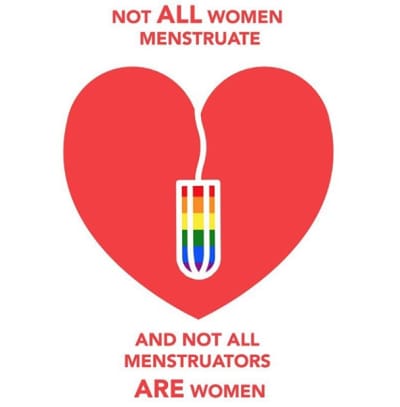
Even today, there are many questions regarding sexual orientation that is non-binary, and it only fits that menstruation poses a conflict in its understanding. There is not much awareness about the fact that not only women, but also transgender men and people who identify as men, menstruate. While women fight menstruation taboos to this day, queer menstruation is a subject entrenched in even greater taboos due to its intersectional nature.

Queer menstruation comes with its added layer of challenges as it is majorly an alien concept and thus, is forced to be hidden from the society. Women’s menstruation is subject to embarrassment sometimes, but queer menstruation is subject to disgust and maybe even rejection. If a transgender man bleeds every month, he is subject to discomfort and gender dysphoria and the transition to the acquired gender becomes difficult.

Source: Tumblr

The market caters to menstruation as a feminine product and menstrual hygiene products, more often than not, have women representing the product, from being in advertisements to brand logos. This creates a psychological barrier for other gender identities to be able to identify with the product. Moreover, public spaces have proven to be another obstacle. Public washrooms are largely discriminatory when it comes to the being menstruation-friendly. Men’s washrooms do not hold menstruation hygiene products and this can create a problem for people who identify as males. Moreover, disposal of sanitary products can be an issue in men’s washrooms which are not adequately equipped for that.

There is added fear and shame of being ostracized for queer persons who might not want to expose themselves while unwrapping sanitary products or using and disposing them. It can be mentally taxing for such individuals who have to be constantly aware of their conflicted identity, and live with constant fear of being ostracised.

On the other hand, because of the gendered label of this process, transgender women who are not able to experience menstruation undergo gender or identity dysphoria as well. They feel that they are not able to experience the apparent milestone of femininity.

Queer individuals also face discrimination in healthcare, as health professionals can be biased against queer people or not understand their specific and unique health issues. They might not be adept in dealing with the complex issues of menstruation for the queer individual. This further increases their vulnerability.

Now more than ever, menstruation needs to be more inclusive through sensitive measures that cater to the nuanced needs of individuals across the gender spectrum. Schools in New York University have taken the initiative to make sanitary products accessible in the campus space, especially in gender-neutral and women’s washrooms. This is one example of the many potential steps that can be taken to make menstruation more inclusive. It is high time that menstruation became a thing of ‘Pride’.

More to Periods than Pads

More to Periods than Pads

Veera Jain

You may cut down on some wants or even needs every month due to month end position of pocket and delay buying it but one expense which cannot be avoided every month is- Sanitary Pads. And at what cost are we buying it? When we buy pads, most of us look at its benefits and the different aspects of it like- material, capacity, etc. But we do not look at the effects of pad which the brand is not showing us. There is very little consciousness about pads and the worse effects they have on our bodies. (Read previous article to know more about pads and its effects.) So then what to do, what to use and where to get it from? Don’t worry ladies; in this article we cover that all up.

Tampons

Tampons are inserted in the vagina and if inserted correctly a tampon is held in place by the vagina and expands as it soaks up menstrual blood. The majority of tampons sold are made of rayon, or a blend of rayon and cotton. There’s a myth that if your insert a tampon in your vagina, your hymen breaks but as said: it’s a myth. However, tampons are better than pads but the reusable ones are not easily available in India as of now but you can get the ones available online and sometimes offline too.

Menstruation Cups

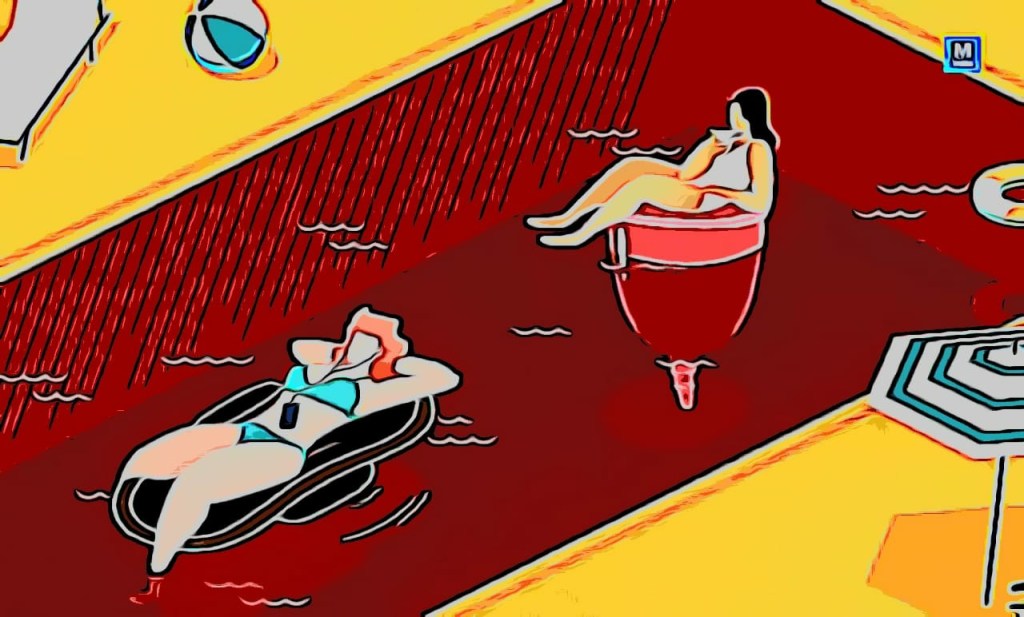
Menstruation cups are not very new to market but they are quite unheard of in the world of pads. Menstrual cups are bell-shaped, reusable cup made from medical grade silicone. Once inserted and fitted securely cups will collect menstrual fluid for up to 12 hours, rather than absorb it as tampons and pads do. The best thing about them is that they are reusable and when you use them you are not only doing favor to your health but to environment’s too.

Reusable Cloth Pads

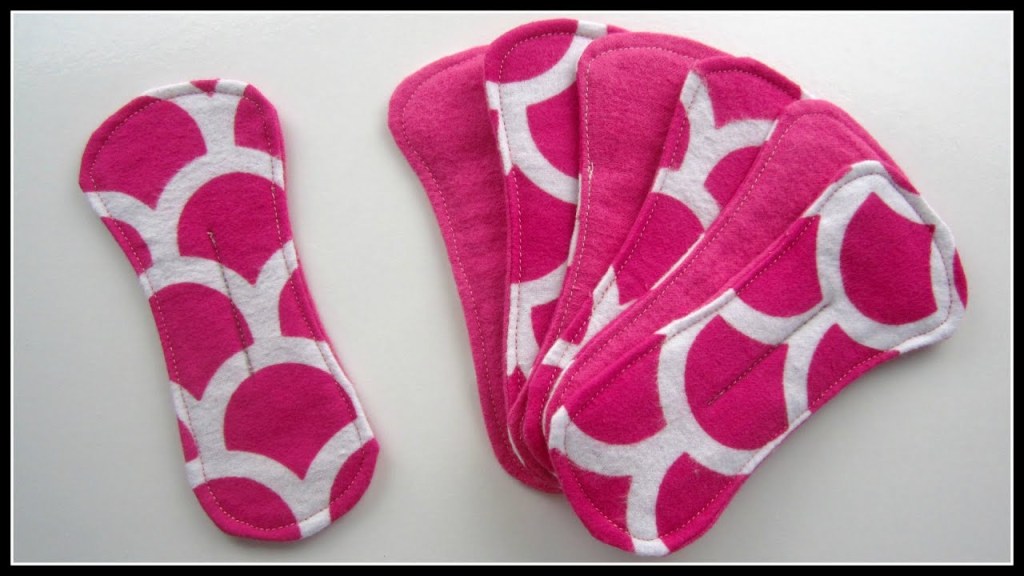
Now there are pads available which can be reused over and over by washing them and creating less wastage than we do every month. It is a onetime investment and an eco-friendly one. Most cloth pads are estimated to last up to five years if they’re properly cared for. People think they might smell but they don’t as the cloth pads tend to stay fresher than disposable pads. That’s because their fabric breathes which allows moisture to evaporate. They are available online. 

Panty Liners

These can be used on those days when you have light flow The main purpose of panty liners is to absorb everyday vaginal discharge, flow during the days when your periods are actually over but you still have little spotting and staining and post-intercourse discharge. These are available in different variants and brands for you to choose according to your choice.

So time to switch to new product than usual boring pads?
Here’s to hoping on your next period you try something new and have a good experience.

For any queries feel free to connect to us.

Green Menstruation

Green Menstruation

Vini Sharma

Sustainable development, sustainable fashion, sustainable agriculture and the list goes on, I guess you must have heard of all these terms till now but have you ever wondered of adding the word sustainable to your menstruation? Yes, you heard it right folks! Sustainable Menstruation!

Red Badge of Courage is here with all you need to know about ‘Sustainable Menstruation’. Ladies, definitely you must avoid plastic here and there but what about the plastic shield which covers your sanitary napkins? Have you ever thought of its harmful effects? Oh, not only on your health but also on the environment! Yes, the plastic shield definitely prevents those embarrassing blotches on your pants but at the cost of your well being. Not only your well being but also at the cost of your very own environment. Did you know that a single woman can contribute to 125 kilograms of non- biodegradable waste through her menstruating years alone?

Its impact on your pretty health

Most of us have grown up using plastic-based sanitary napkins without realising its harmful hazards. The plastic which prevents the leakage and lets you flaunt those white pants without any stains, also becomes a breeding ground for the bacteria and fungi. It causes several infections, irritation, inflammation in the vagina and vulva and not to forget rashes. Sometimes it leads to pelvic inflammatory diseases and cervical cancer while also hampering your reproductive health. These plastic based pads need to be changed frequently to avoid bacterial built-up which usually becomes less possible while travelling or in areas lacking public washrooms. There is very little consciousness regarding these hazardous pads and the adverse effects they have on human bodies.

Its impact on your very own environment

Very less awareness is there regarding the disposal of plastic based sanitary pads. These pads are usually thrown into water bodies and they end up contaminating the water and also adversely affect the organisms living in those water bodies or they are thrown in the open dumping grounds which becomes the ground of deadly diseases. They are picked up by rag pickers with bare hands and that can put their health at a great risk as it consistsof blood and other bodily fluids of another person which can cause infections including HIV AIDS. Incineration is one of the ways of sanitary disposal but it is rarely followed.

Eco-friendly Alternatives

A large number of entrepreneurs have now ventured in this area of making eco- friendly pads. Re-usable sanitary tampons and pads are now available in the market which can be used just like the disposable ones without any guilt of causing harm to the environment or your health.  These pads are healthier alternatives because they are made of natural fibres and products like bamboo, wool, cotton and hemp making them much more sustainable. Switching to these eco-friendly sanitary pads can help you save your health as well as your environment. Red badge of courage advises you to give up these plastic sanitary pads as there should be no compromise with your intimate health. Period.

Around the World in Our Bloody Pants

Around the World in Our Bloody Pants

Sheetal Patro

Photo courtesy: mashable.com

You wake up one morning, in the midst of a jungle, in the U.S.A. The pants are spotted with a huge red blotch. I suggest you women to run to save your soul. Apparently, the Americans believe that bears have a thing towards period blood; I don’t blame their taste buds. You ran hard enough to catch the next flight to end up in Israel. The best thing to do is to protect your cheeks in order to not get slapped. The Israelis believe you will get blessed with beautiful red cheeks throughout your life. A long run done, an urge for a hot shower might arise, please don’t tell your Israeli roommate about it, he/she will warn you that a hot shower will give you a heavy flow. It’s dinnertime, your Argentinean friends have come over, so don’t reveal to them about your chums, for they will restrict you from touching the whipped cream in the fear that it will get curdled, phew! Yes, whip that cream anyway! Don’t tell that one Japanese friend in the group you have rolled that sushi being on your period, he/she might just complain about the taste imbalance in it. It’s morning, it’s a new day, well the second day of your period. 

You are in Malaysia the next morning to attend an office meeting. You decided to change your pad at the airport. It’s midnight, there is a strange sound in the hall, your eyes are witnessing paranormal activities, the ghosts in Malaysia don’t approve of unwashed pads. You cannot fall asleep alone so you decide to call your polish colleague. Coitus might seem tempting at the hour, avoid it if possible. It’s a warning! According to Polish belief, you are deadly to your partner on your period. It’s the third day of your chums now. An old lady from Romania sells flowers near the hotel, the sweet orchid smell is something you want to treat yourself with, the orchid dies upon your touch. Listen to the rant of the old lady patiently; women on periods should avoid touching flowers, it was her mother, her mother who prepared her for that speech.

You are back in the U.S.; your granny is restless in the kitchen. She has cleaned the cucumbers; they are getting prepared for a cucumber pickle. The ideal thing to do would be stay out of her business to avoid blames on you if her pickles go bad from your touch!

The taboos doesn’t belong inside our pants!

Photo courtesy: http://www.pri.org

Menstruation 101

Menstruation 101

Meghna Mathew

Periods. Menstruation. Vagina. Discharge.

These are just a few words most individuals are intimidated by. Understandably so, if one does not know enough about them. While ignorance may be considered bliss, Red Badge of Courage believes that it is of utmost importance for men and women alike, to inform and educate themselves on the topic of menstruation. 

Before we begin to explain why it is an extremely normal thing to occur in women after a certain age, and absolutely nothing to be ashamed about, let’s talk about where it takes place.

The female reproductive system is beautiful. We could definitely get into the complex biology of it but let’s save that for another day. Here’s the easy version-

The two ovaries on either side of the uterus are connected to it by fallopian tubes. The uterus opens out through the vagina. Every month, the ovaries produce a singular egg in hopes that it will be fertilised by a sperm to make a baby. The egg travels through the fallopian tubes and lands in the uterus, waiting for fertilisation to take place. The uterine wall thickens in order to accommodate the egg.  At the point of time, two things can take place

  1. Congratulations! You’re pregnant!
    In this case, the egg gets fertilised by a sperm from a male (a whole different discussion awaits) and embeds itself into the uterine wall to grow into a foetus. It nourishes the foetus for its duration in the uterus and provides it with all the required nutrients. 9 months later, voila, you’ve got yourself a baby!
  2. Here comes your period
    If the egg is not fertilised by a sperm, it needs to be discarded somehow. This is done through the process of menstruation. The unfertilised egg dissolves and makes its way out of the body through the vagina. When pregnancy does not take place, the thick uterine wall is of no use either, so that too leaves the body through the vagina. Essentially, all the unrequired waste comes out through the vagina along a heavy side of blood.

This flow of blood and uterine waste can last from anywhere between three days to a week. The time period between the two periods is called the menstrual cycle; it should essentially last for 28 days. In this duration, the ovary sends out another egg to the uterus to be fertilised. If left unfertilised, a period takes place. This process is accompanied by immense pain in the lower abdomen and back, mood swings, nausea, dizziness, hot flashes and extreme discomfort. Each month a woman faces such challenges for what seems like a punishment for not being pregnant! Here’s a simple video that explains the entire process:

Red Badge of Courage is here to normalise periods and make everyone aware of what it really is. Bringing about a conversation is the only way to make people feel comfortable with the topic and in 2020, it is high time that happens.

Keep in mind- whatever you can do, a woman can do bleeding!